Covering about 1,063,000 square miles and more than 7,000 islands and reefs, the Caribbean islands benefit from a wide variety of warm climates. The geography in the region and its tropical temperature play an important part in the extremely rich biodiversity of the area. From heavily forested zones to endless beaches and rolling hills, the Caribbean certainly offers some of the most breath-taking scenery on Earth.
Whether it is under the water or on dry land, every traveler or keen photographer can be sure to discover some truly incredible wildlife during a stay in the Caribbean. Here are some of the wonderful animals everyone should get to encounter at least once in a lifetime:
Marine Life
Turtles
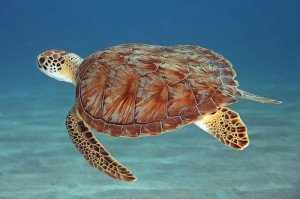
Once abundant in the Caribbean waters, sea turtles are now part of various protection programs for endangered species. However, many resorts and companies specializing in adventure and local attractions offer the incredible opportunity to tourists to get up close and personal to these regal creatures in their natural environment and make a contribution to their conservation.
Sharks
It is not uncommon to see people getting cold shivers at the idea of seeing a couple of shark fins poking through the surface of the water. These intriguing and largely misunderstood fish are nonetheless one of the planet’s most magnificent creatures, and should not be forgotten about when exploring the Caribbean islands. The Bahamas in particular, with its crystal clear lagoons, offer great opportunities for shark spotting,
Coral Reefs Fish and Fauna
From Aruba to Trinidad & Tobago, the Caribbean islands is home to about 7.6% of the entire planet’s coral reefs. Any keen traveler willing to have a little swim can easily encounter numerous different species of sponges, stars and anemones from their very first dive. As for the colourful tropical fish, the most common ones you can spot have to be the Barracuda, Angelfish, Lion Fish, Yellowtail Snapper and Sand Diver.
Forest species
Iguanas
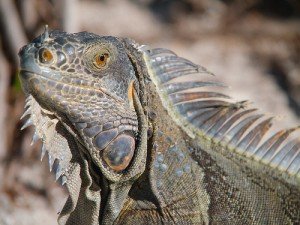
Populating the tropical rain forests and close to water areas of South America and the Caribbean, those omnivorous reptiles bear spectacular colours from vibrant green to flamboyant orange. When they are not hiding from predators or darting among bushes, they can be seen enjoying the sun on warm rocks. Indeed, like most reptiles, they are cold blooded and need the warmth of the sunlight to regulate their body temperature. Even though iguanas seem to be becoming more common as pets in western countries, there is nothing quite like seeing them in the wild, diving from a tree into the water or peacefully lazing in the sun.
Green Monkeys
Originally from Gambia and Senegal in West Africa, these playful creatures arrived on the Caribbean island in the mid seventeenth century. Tourists spending holidays in Barbados are likely to come across this very social primate as it can often be seen throughout different parts of the island running about, even sometimes in private gardens. Depending on the day light, their fur can have a slight greenish taint, hence their name. Interestingly enough, the infants are likely to look a bit blue as they have very little fur when they are born.
Birds
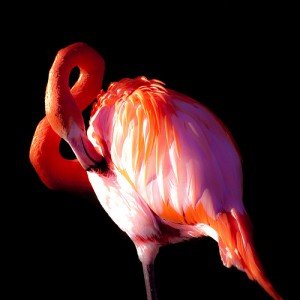
Amateur wildlife spotters should definitely travel to the Caribbean to discover some of the world’s most colourful and exceptional birds. Whilst Trinidad’s mountains hosts more than 170 species including Manikins, Tanagers and Toucans, the most sought-after species of Caribbean Flamingo and Parrots can be found on several islands across the region.
With these notes in hand to prepare your wildlife spotting adventure to the Caribbean, the only thing you need to remember is a good camera and a pair of binoculars!