


That is five daylong trips, not an unenumerated quantity of five-day trips.
Kizhi Pogost
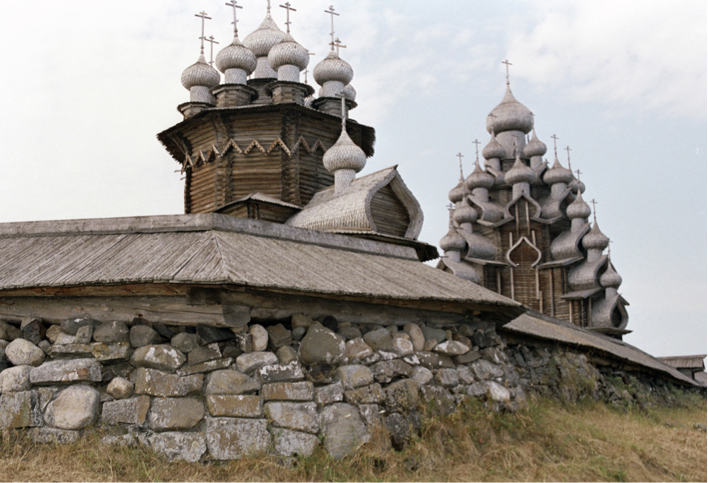
Kizhi Island lies in the middle of Lake Onega. The centerpiece of the pogost is the stunning 18th Century Church of the Transfiguration. The church is constructed entirely of Scots Pine—not a nail to be found—that had to be brought from the mainland. The jumping off point to visit Kizhi is Petrozavodsk, the capital of Karelia named for Tsar Peter the Great rather than the saint. Regular trains run between Petrozavodsk and St. Petersburg. Hydrofoils run to the island in the summer and hovercraft during the winter, but due to weather and the general unreliability of Eastern European transportation, the only way to reach the island may be a prohibitively expensive helicopter.
Novgorod
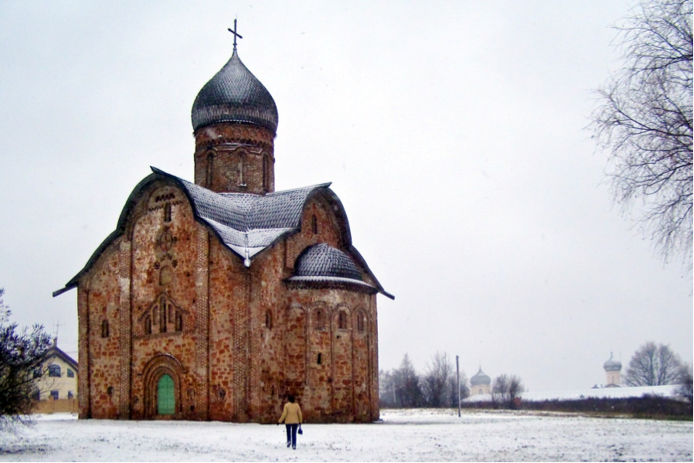
AKA Veliky Novgorod, not to be confused with Nizhny Novgorod. This is an old city, full of more history than present bustle. Novgorod’s Kremlin walls in most of the city’s attractions including the Monument of the Millennium of Russia commemorating 1,000 years of Russian history dating from Rurik’s founding of Novgorod in 862 and the relatively modern St. Sophia Cathedral, dating from the 11th Century. They’re also rightfully proud of their architecture in the old North Russia style as displayed in the open-air Museum of Wooden Architecture just outside the city. Travel time is 3-4 hours by train or bus from St. Petersburg.
Tallinn
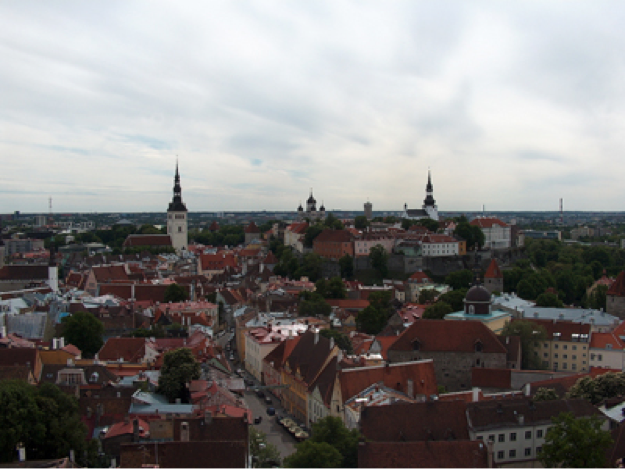
Despite being a major European city, Tallinn is one of the most walkable in the world. The train station, Reisisadam port (with frequent ferries across the Gulf of Finland to Helsinki), and the Old City are within spitting distance of each other. Currently, trains only run to Tallinn at night and back in the morning, making the excursion more convenient for tourists based in Tallinn. Make sure your visa is equipped to handle the border crossing. It was part of Russia under Peter the Great, so it fits fine with your historical Petro-themes.
Tsarskoe Selo
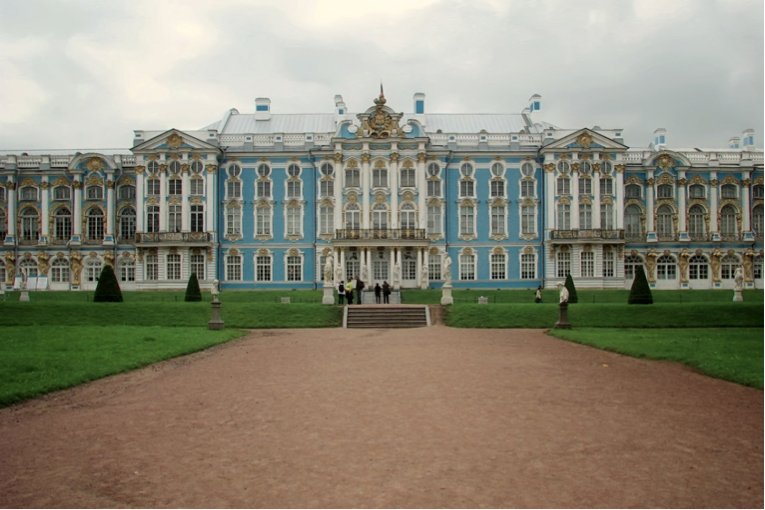
If you’re getting tired of the austere Uralic vibes and need a refreshment of French courtliness, this is the excursion for you, a mere 30 kilometers outside St. Petersburg. The Catherine Palace at Tsarskoe Selo was designed in 1752 by Francesco Bartolomeo Rastrelli for Empress Elizabeth—the sometimes used title “tsaritsa” strikes my ear as sexist. The lady had some extravagant, borderline rococo tastes and these are reflected in the palace’s symmetry of huge rectangles bedecked with all the topiary, gold, and bas-reliefs you can shake a stick at. It’s not quite Versailles, but close.
Peterhof
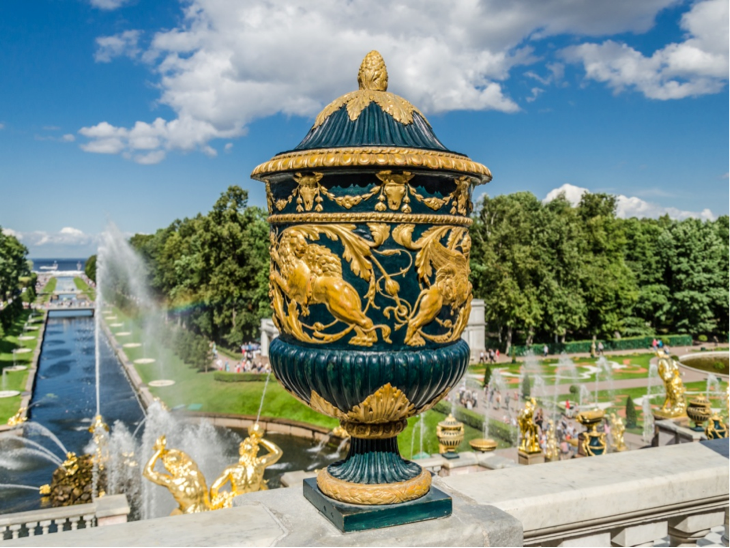
Peterhof is just west of St. Petersburg and is home to Versailles-inspired opulence grander even than Tsarskoe Selo. But you’re used to that by now, right? What distinguishes the Great Palace is the series of fountains. Each entry rich is with craftsmanship and unique wit. They’re the Fabergé eggs of water jets. The Roman Fountain is a tiered affair loosely based on Bernini’s fountain in St. Peter’s Square in Rome. The Pyramid Fountain creates a shimmering white obelisk in commemoration of some bloody victory. The Adam Fountain and the Eve Fountain face each other across a long pathway, their statues rigid amid a lascivious spray. All fountains operate by reservoirs uphill, no pumps required.



I went there last summer, its an amazing place, thanks for sharing
No problem, very cool that you visited the same area, Flavio!